Need a stairlift removed in Manchester? Learn what the removal process involves, how long it takes, and what options are available for your old stairlift.

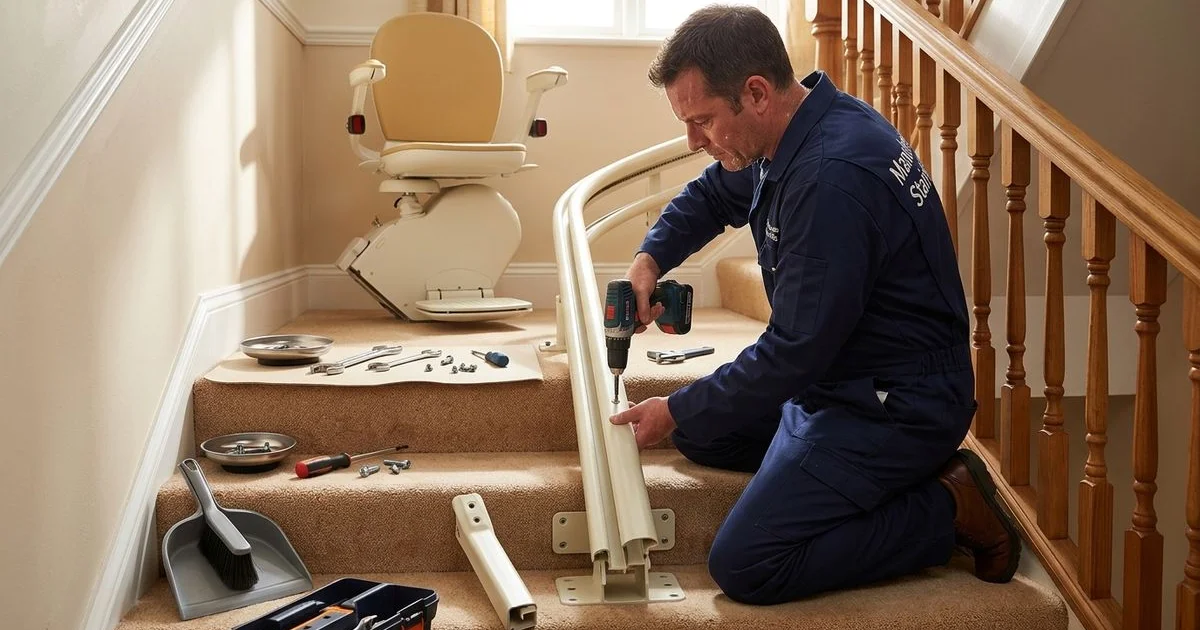
You reach a point where a previously essential mobility aid is no longer required. The decision to arrange a stairlift removal in Manchester often follows a major life event, like a property sale or a relative moving into a care home. As a family-run business dedicated to helping residents across Greater Manchester, our team understands that this transition requires a careful, stress-free approach.
Taking down this equipment involves handling heavy machinery and specific electrical components safely. Estate agents frequently recommend clearing the stairs to maximise property value for prospective buyers. We have observed how a clean, open staircase completely transforms a hallway.
Let us explore the precise steps involved in safely dismantling the unit and clearing your stairs.
Why Might You Need a Stairlift Removed?
Clearing a staircase often helps a property appeal to a wider demographic. A standard carriage weighs between 30kg and 45kg, making professional handling essential to avoid property damage. People request collections for several common reasons:
- Selling the property: Many estate agents across Greater Manchester suggest clearing the stairs before listing. A bright, open hallway creates a better first impression and often increases interest from young families.
- Bereavement: Relatives usually want the equipment taken out while preparing a loved one’s house for sale or clearance.
- Change of circumstances: The user might move to a bungalow, transition to a dedicated care facility, or recover from their mobility issue.
- End of a rental agreement: Renting offers flexibility when needs change. Our rental contracts include the extraction cost as standard.
- Upgrading your equipment: Technology improves constantly, and replacing an older model with a modern, slimline version requires dismantling the original setup first.
What Does Removal Involve?
Removing the tracks and carriage requires specific tools and training. The sequence is essentially a direct reversal of the initial installation.
Step 1: Disconnecting the Power
The technician starts by safely isolating the electrical supply. Modern systems operate on two 12-volt rechargeable batteries connected to a standard mains socket. We ensure the transformer is unplugged and the main carriage is fully powered down before proceeding.
Step 2: Removing the Seat Unit
This heavy lifting stage requires careful handling to protect your surrounding walls. An average main seat and motor assembly weighs upwards of 35kg. Our technicians carefully unbolt this section from the track and carry it out securely.

Step 3: Removing the Rail
The aluminium track connects directly to the wooden treads. A typical straight flight requires about five support brackets to hold it securely. The technician unscrews the fasteners holding these brackets, leaving only minor holes in the timber.
Step 4: Making Good
A tidy workspace is essential for safety and customer satisfaction. Those small screw holes are easily concealed using a standard wood filler like Ronseal High Performance. Your hallway is ready for normal foot traffic the moment the engineer packs up their tools.
Step 5: Disposal or Collection
The UK Waste Electrical and Electronic Equipment (WEEE) regulations mandate strict recycling protocols for motorised aids. Transporting the dismantled components back to the facility is the next phase. We separate reusable parts while sending batteries and circuit boards to certified recycling centres.
How Long Does Removal Take?
A straightforward extraction is surprisingly quick. The exact timeframe depends heavily on the complexity of your specific track layout.
Curved variations take slightly longer due to the multiple track segments and custom joint fittings. You can expect the engineer to complete the entire job within a single morning or afternoon visit. We respect your schedule and work efficiently to minimise disruption.
Will My Staircase Be Damaged?
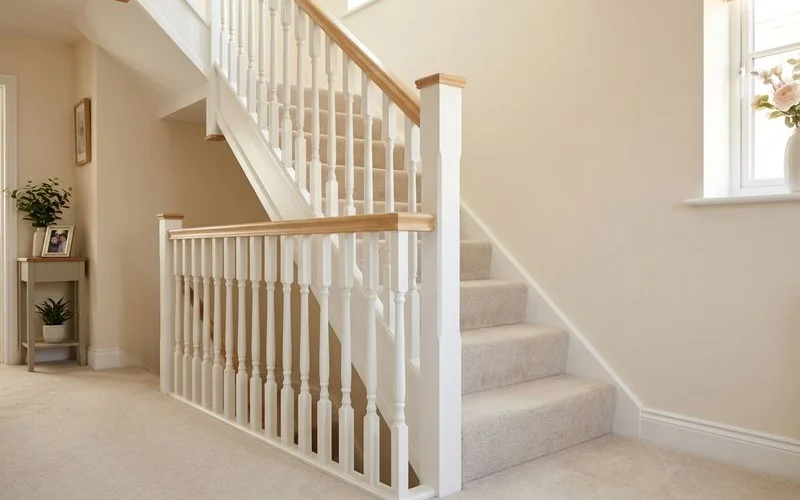
Homeowners frequently worry about structural damage, but the installation method prevents this entirely. The support brackets screw securely into the flat stair treads, completely avoiding your plastered walls and skirting boards. Our approach ensures the surrounding decoration remains pristine.
The greatest relief for families is discovering that the metal tracks never attach to the wall plaster, meaning zero structural repair bills after collection.
Thick carpets simply compress under the metal brackets rather than being cut or permanently marked. The fibres naturally spring back up over a few weeks once the pressure is gone. You can speed up this recovery process by gently brushing the carpet pile or using a household steam cleaner.
What Happens to the Old Stairlift?
The lifecycle of the equipment depends entirely on its age, brand, and mechanical condition.
Reconditioning
A high-quality straight model often has years of reliable service left to offer. The technicians strip the machine down completely, replacing critical safety sensors and fitting fresh batteries. We then test the unit rigorously before offering it to another family as a cost-effective reconditioned stairlift.
Parts Recovery
Not every older machine meets the strict safety standards for full resale. Specific internal components like the main circuit board or the drive motor retain significant value as service spares. Our engineering team salvages these working parts to maintain older models still in active use.
Responsible Disposal
Units that have reached the end of their mechanical lifespan require careful processing. The heavily regulated WEEE directive governs exactly how companies must handle old lead-acid batteries and electronics. Certified commercial recycling centres partner with us to process the scrap metal and hazardous materials safely.
Curved Rail Disposal
Manufacturers design curved tracks using precise photogrammetry to match a single, unique staircase. These custom steel or aluminium sections simply will not fit another property. The engineer dismantles these unique tubes so the raw metal can enter the standard recycling chain.
Can I Sell My Old Stairlift?
You might be able to offset some stairlift costs through a buyback arrangement. Popular brands like Acorn, Stannah, and Brooks hold their resale value well if they are less than five years old. We evaluate the age, brand, and maintenance history of your equipment to offer an honest financial appraisal.
A part-exchange is often the most cost-effective route if you are simply upgrading your mobility aid. The surveyor can outline exactly how much your current setup is worth during a free home assessment. This transparent valuation helps you make an informed decision about replacing an aging system.
Arranging a Stairlift Removal in Manchester
Booking a stairlift removal in Manchester requires just a quick phone call. Most extractions are scheduled within three to five working days of your initial inquiry. We handle the heavy lifting so you can focus on the next steps for the property.
Reach out to discuss your specific situation and get expert advice. Call us directly on or visit our contact page to request a callback. An experienced team member will gladly guide you through the process, answer any remaining questions, and confirm a convenient date to clear your stairs.
Roger
Owner & Manager
Founder & Manager of Stairlifts Cost — over 10 years helping Manchester families stay independent at home.
Related Articles

What to Expect During a Stairlift Installation

Brooks Acorn 130 Review: Is It the Right Stairlift for You?

Curved vs Straight Stairlifts: Which Do You Need?
Need Advice on Your Stairlift Options?
Our team is always happy to chat. Call us for a free, no-obligation discussion about your stairlift needs.